
Cochlear implantation is a surgical procedure that restores hearing for individuals with severe to profound sensorineural hearing loss who do not benefit adequately from traditional hearing aids. Unlike hearing aids, which amplify sound, cochlear implants bypass damaged portions of the inner ear and directly stimulate the auditory nerve, allowing the brain to perceive sound more effectively.
Who Is a Candidate for Cochlear Implants
Cochlear implants are considered for both adults and children who meet specific criteria, including:
- Severe to Profound Hearing Loss: Especially when hearing aids provide limited benefit.
- Limited Speech Understanding: Poor word recognition scores during hearing tests.
- Stable Inner Ear Anatomy: Imaging must confirm a structurally suitable cochlea.
- Commitment to Rehabilitation: Success depends on post-operative auditory training and follow-up.
Early evaluation is essential, especially in children, as early intervention can significantly impact language development.

How Cochlear Implants Work
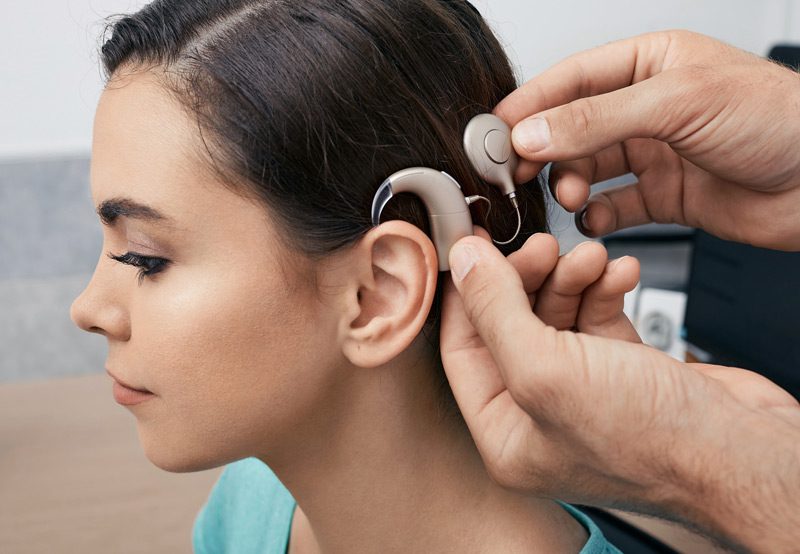
Cochlear implants consist of internal and external components:
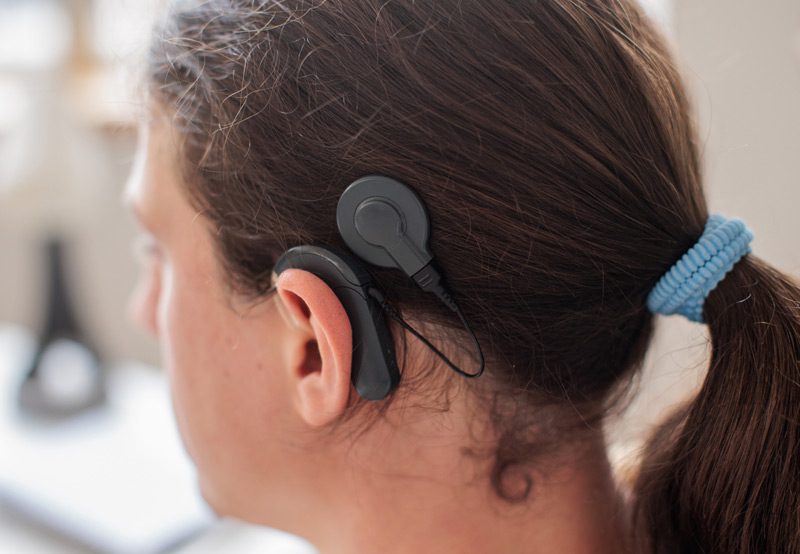
- External Sound Processor: Worn behind the ear, it captures and processes sound from the environment.
- Internal Receiver and Electrode Array: Surgically implanted beneath the skin and into the cochlea. The electrode array directly stimulates the auditory nerve based on the signals received from the processor.
Sound is converted into electrical signals, which are transmitted to the brain as auditory information, helping the patient perceive speech and environmental sounds.
The Procedure
Cochlear implantation is typically performed under general anesthesia and involves:
- A small incision made behind the ear.
- Creation of an opening in the mastoid bone to access the cochlea.
- Insertion of the electrode array into the cochlea.
- Placement of the receiver-stimulator beneath the skin.
The procedure usually takes 1–2 hours, and most patients return home the same day or after an overnight stay.
Activation and Rehabilitation
About 2–4 weeks after surgery, the external sound processor is activated by an audiologist. This process, called initial mapping, involves:
- Programming the device to deliver appropriate electrical stimulation.
- Adjusting sound levels based on patient comfort and performance.
- Initiating auditory rehabilitation, which is crucial for adapting to the new method of hearing.
Rehabilitation may include speech therapy, auditory training, and regular follow-ups to refine the device settings and track progress.
Benefits of Cochlear Implantation
The extent of improvement varies by individual, but many patients experience:
- Enhanced speech understanding, even in noisy environments.
- Improved ability to identify and localize environmental sounds.
- Greater ease in communication and participation in social settings.
- Support for language development in pediatric patients.
Risks and Considerations
Cochlear implantation is generally safe but may carry some risks, including:
- Infection or bleeding
- Dizziness or imbalance
- Facial nerve weakness or paralysis
- Taste changes
- Device malfunction or need for revision surgery
- Loss of residual natural hearing in the implanted ear
Patients with cochlear implants also need to be cautious with certain imaging (e.g., MRI compatibility) and may be advised to avoid contact sports or high-impact activities.
When to Consult a Specialist
If you or a loved one struggles with hearing loss despite the use of hearing aids, especially in challenging listening environments, a comprehensive evaluation by an otolaryngologist and audiologist can determine whether cochlear implantation is a suitable next step. Early intervention can dramatically improve outcomes, particularly in children during critical language development periods.