

Facial nerve tumors are rare growths that develop along the facial nerve, which controls movement of the muscles responsible for facial expression. These tumors may arise from nerve sheath cells (schwannomas), be associated with other growths (such as meningiomas or hemangiomas), or in rare cases, represent malignant lesions. Depending on their location and size, facial nerve tumors can lead to progressive facial weakness, hearing loss, or balance disturbances. Timely evaluation by a skull base or neurotologic specialist is essential to preserve function and prevent complications.
Causes of Facial Nerve Tumors
Facial nerve tumors can arise spontaneously or in association with genetic conditions. Common types include:
- Facial Nerve Schwannoma: The most common benign tumor of the facial nerve, originating from the Schwann cells that form the nerve’s protective sheath.
- Hemangioma: A benign vascular tumor that may compress or distort the facial nerve.
- Meningioma: A tumor that arises from the meninges but may involve the facial nerve due to proximity.
- Neurofibroma: Another benign nerve sheath tumor, more commonly seen in patients with neurofibromatosis.

Symptoms of Facial Nerve Tumors
Symptoms depend on the tumor’s location along the nerve and the extent of compression. Patients may experience:
- Gradual or sudden facial weakness or paralysis
- Facial twitching or spasms
- Numbness or tingling in the face
- Hearing loss or ear fullness (if the tumor involves the middle or inner ear)
- Tinnitus (ringing in the ear)
- Dizziness or imbalance (with inner ear involvement)
Diagnosis
Evaluation includes a detailed neurological and otologic exam, followed by imaging studies to define the location and nature of the tumor. Diagnostic steps may include:
- High-Resolution MRI with Contrast: Essential for visualizing soft tissue and nerve pathways.
- CT Scan of the Temporal Bone: Helps assess bony involvement, particularly in the middle ear or skull base.
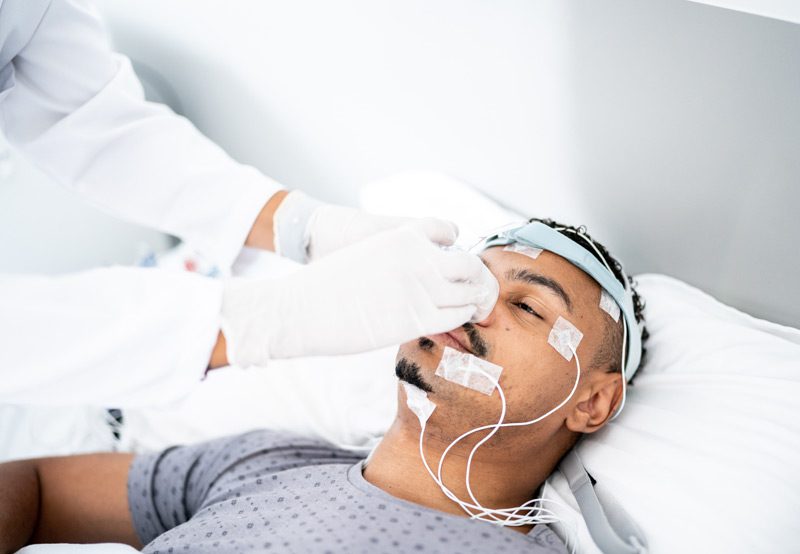
- Facial Nerve Electromyography (EMG): Measures nerve function and helps assess the degree of nerve involvement.
- Audiogram: Detects associated hearing loss, which may influence treatment decisions.
Treatment Options
Management is individualized based on tumor type, size, location, rate of growth, and degree of facial nerve function. Treatment options include:
- Observation: Small, slow-growing tumors in patients with normal facial function may be monitored with serial imaging and exams.
- Microsurgical Removal: Indicated when tumors cause worsening symptoms or threaten function. The goal is maximal tumor removal while preserving the facial nerve. Nerve grafting may be needed if the nerve must be resected.
- Facial Nerve Decompression: In selected cases, relieving pressure on the nerve can preserve or restore function.
- Stereotactic Radiosurgery (Gamma Knife): A noninvasive option for some tumors, particularly when surgery is high risk or when facial nerve preservation is a priority.
- Facial Reanimation Procedures: If facial paralysis becomes permanent, reconstructive procedures may help restore symmetry and motion.
When to See a Specialist
Any facial weakness, twitching, or unexplained asymmetry should prompt evaluation by an otolaryngologist or neurotologist. Early detection allows for more treatment options and a better chance of preserving facial function. Coordination among specialists in skull base surgery, neurotology, and facial nerve rehabilitation is often necessary for optimal outcomes.