

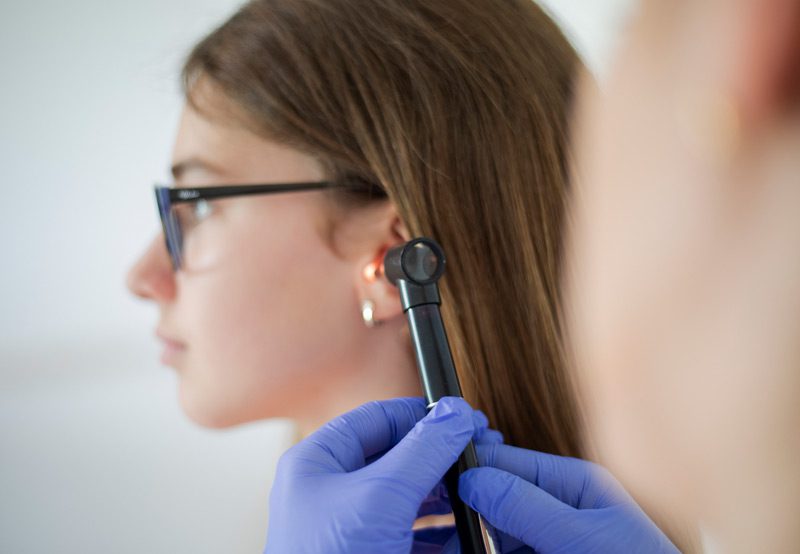
A tympanic membrane perforation, commonly known as a perforated eardrum, is a hole or tear in the thin membrane that separates the outer ear from the middle ear. This membrane, also called the eardrum, plays a critical role in hearing and ear protection. When damaged, it can lead to hearing changes, infections, and other complications if not properly managed.
Causes of Tympanic Membrane Perforation
A perforation can occur from various forms of trauma, infection, or pressure-related events. Common causes include:
- Ear Infections (Otitis Media): Buildup of pressure from fluid or pus in the middle ear can rupture the eardrum.
- Barotrauma: Sudden pressure changes from flying, scuba diving, or blast injuries.
- Direct Trauma: Inserting objects (e.g., cotton swabs, hairpins) into the ear canal.
- Head Injury: Skull fractures or blunt trauma to the ear.
- Surgical Complications: Accidental injury during ear procedures.

Symptoms of a Perforated Eardrum
- Sudden hearing loss or muffled hearing
- Ear pain or a sudden relief of pain (if due to pressure buildup)
- Drainage of clear, bloody, or pus-filled fluid
- Tinnitus (ringing or buzzing in the ear)
- Vertigo or imbalance (in some cases)
Diagnosis
Diagnosis involves a physical examination and hearing tests:
- Otoscopy: Visualization of the perforation using a handheld lighted instrument.
- Audiometry: A hearing test to assess the degree and type of hearing loss.
- Tympanometry: Measures eardrum movement and middle ear pressure.
- Cultures or Fluid Analysis (if drainage is present): To identify infection.
Treatment Options
The treatment approach depends on the size of the perforation, presence of infection, and associated symptoms:
- Observation: Many small perforations heal on their own within a few weeks. Keeping the ear dry and avoiding trauma is critical during this time.
- Topical or Oral Antibiotics: Prescribed if there’s an active infection or risk of infection.
- Eardrum Patching: An otolaryngologist may apply a chemical agent or patch in the office to promote healing.
- Tympanoplasty: A surgical procedure to repair larger or non-healing perforations using a graft. This is often recommended if the hole persists for more than 2–3 months or causes significant hearing loss or recurrent infections.
Potential Complications
If left untreated, a perforated eardrum can lead to:
- Chronic ear infections
- Hearing loss
- Middle ear cysts (cholesteatoma)
- Persistent drainage
- Rarely, spread of infection to nearby structures
When to See an ENT Specialist
Consult an ENT (ear, nose, and throat) specialist if you experience sudden hearing loss, persistent ear pain, drainage from the ear, or any trauma to the head or ear. Prompt evaluation ensures proper healing, reduces the risk of infection, and helps preserve hearing function. In cases where healing does not occur naturally, surgical repair can restore both the integrity of the eardrum and hearing quality.