Bone Anchored Hearing Implants

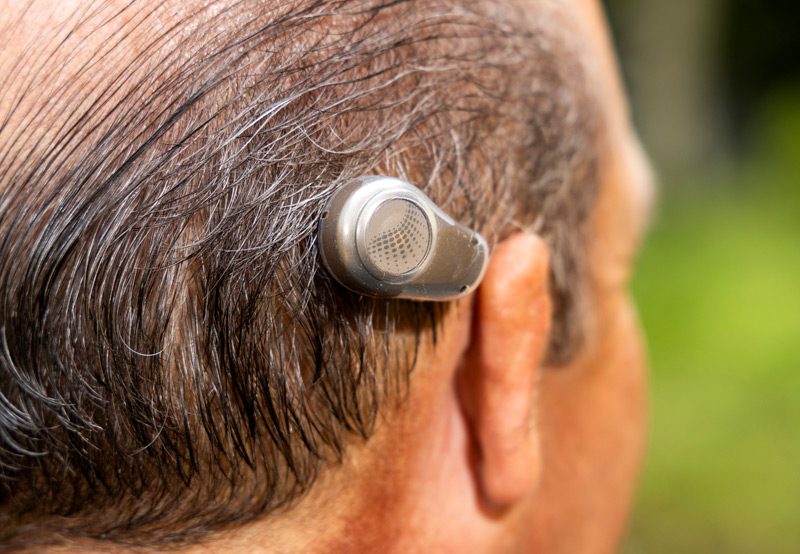
Man-with-bone-anchored-hearing-aid
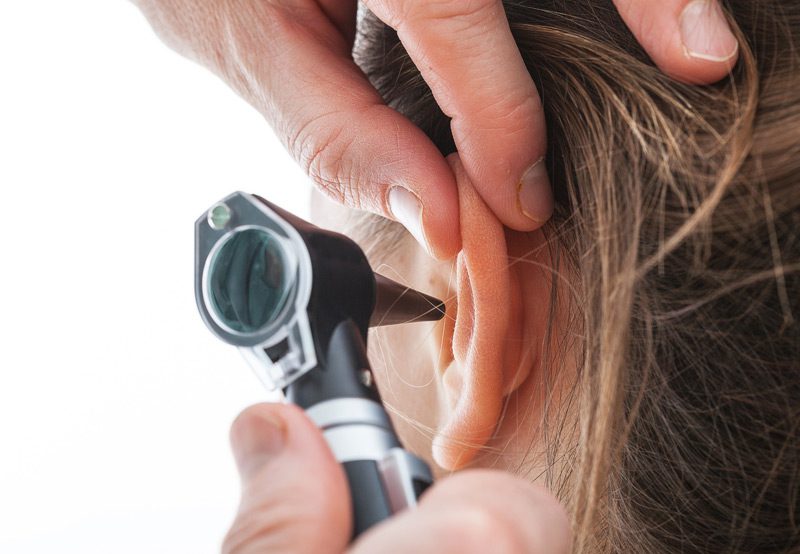
Closeup-of-examining-ear-with-an-otoscope

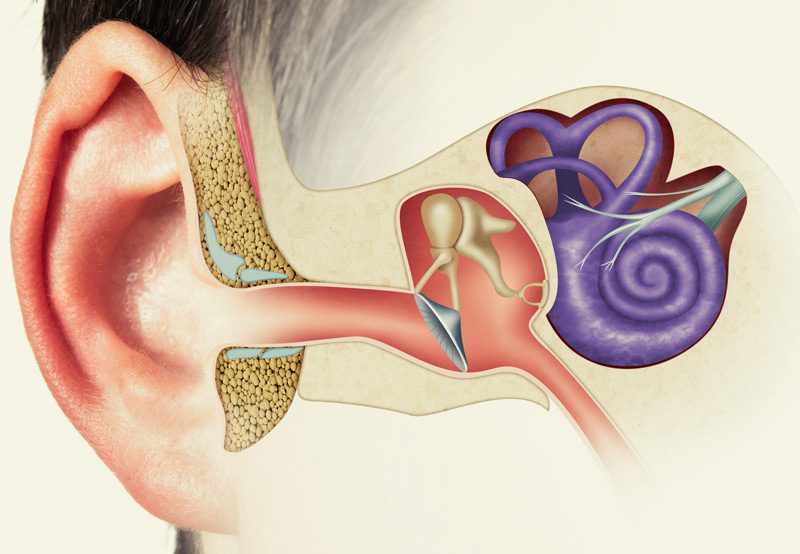
Bone anchored hearing implants (BAHIs), also known as bone conduction hearing devices, are specialized hearing systems designed for patients who with specific types of hearing loss. These implants work by bypassing the damaged outer or middle ear and delivering sound vibrations directly to the inner ear (cochlea) through the bone of the skull. This form of hearing restoration can significantly improve sound clarity and speech recognition in individuals with certain types of hearing loss.

Who Is a Candidate for Bone Anchored Hearing Implants?

BAHIs are typically recommended for patients with:

  • Conductive Hearing Loss: Caused by problems in the ear canal, eardrum, or middle ear structures that prevent sound from reaching the inner ear.
  • Mixed Hearing Loss: A combination of conductive and sensorineural hearing loss.
  • Single-Sided Deafness (SSD): Patients with profound or total hearing loss in one ear but normal hearing in the other ear may benefit from a BAHI that transfers sound from the deaf side to the functioning ear.

Candidates must have healthy bone structure at the implant site and realistic expectations about the outcomes.

CONTACT US TODAY
Doctor-discussing-treatment-plan-with-patient

How Do Bone Anchored Hearing Implants Work?

The BAHI system consists of three main components:

  • Titanium Implant: Surgically anchored into the skull bone behind the ear.
  • Abutment or Magnetic Connector: Connects the implant to the external sound processor.
  • External Sound Processor: Captures sound from the environment, converts it into vibrations, and transmits those vibrations through the implant to the inner ear via bone conduction.

The device effectively bypasses damaged parts of the ear, allowing sound signals to reach the auditory nerve.

The Surgical Procedure

The implantation is a minor outpatient procedure, usually performed under local or general anesthesia. Steps typically include:

  • Making a small incision behind the ear
  • Drilling a small hole in the skull bone to anchor the titanium implant
  • Securing the abutment or placing a magnet under the skin for newer, fully subdermal systems

In some cases, the sound processor may be fitted immediately. More often, the patient waits several weeks for the implant site to heal and the device to be activated.

Recovery and Follow-Up

Recovery is generally quick and well tolerated. Key points include:

  • Mild discomfort or swelling around the surgical site for a few days
  • Proper hygiene to prevent infection
  • Activation of the sound processor after sufficient healing (typically 4–12 weeks)
  • Follow-up appointments to fine-tune the device and monitor outcomes

Patients often report improved hearing quality and speech understanding, especially in noisy environments.

Benefits of Bone Anchored Hearing Implants

  • Improved sound clarity and spatial awareness
  • Non-occluding design (does not block the ear canal)
  • Reliable solution for single-sided deafness or hearing loss related to chronic ear conditions

Risks and Considerations

While BAHIs are generally safe and effective, potential complications include:

  • Skin irritation or infection at the implant site
  • Poor osseointegration (implant not bonding properly with the bone)
  • Device displacement or mechanical failure

Proper surgical technique, hygiene, and follow-up care help minimize these risks.

When to See a Specialist

If you or a loved one has conductive hearing loss, single-sided deafness, or chronic ear infections that prevent traditional hearing aid use, a consultation with an otolaryngologist or audiologist specializing in bone conduction devices can help determine whether a bone anchored hearing implant is the right option.