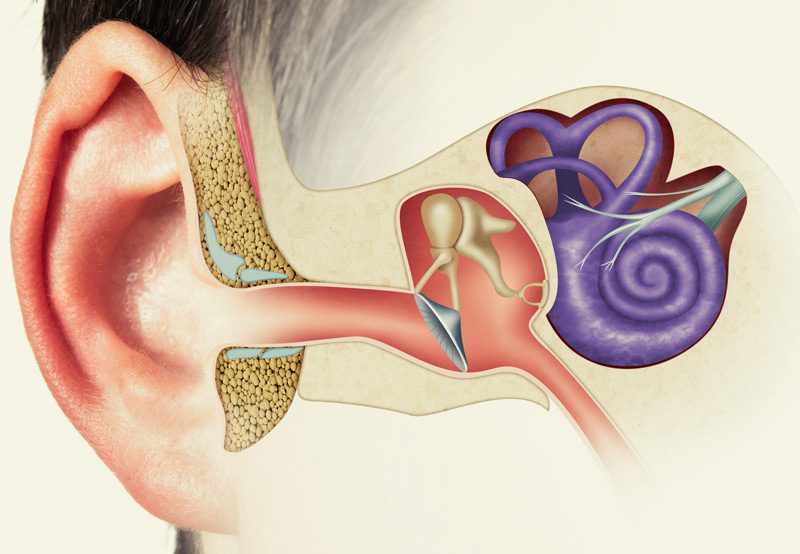
Acoustic neuroma resection is a surgical procedure to remove a benign tumor called an acoustic neuroma, also known as a vestibular schwannoma. This tumor develops on the vestibulocochlear nerve, which connects the inner ear to the brain and plays a key role in hearing and balance. Although acoustic neuromas are benign (meaning not cancer), they can grow large enough to compress nearby nerves and brain structures, leading to hearing loss, balance issues, facial weakness, or more serious complications.
When Is Surgery Needed?
Surgical removal is typically recommended when:
- The tumor is large or rapidly growing
- There is concern for brainstem compression
- Other treatments, such as radiation, are not suitable
Smaller tumors may be monitored with regular imaging or treated with focused radiation.

Surgical Approaches
There are three main surgical approaches for acoustic neuroma resection. The choice depends on the tumor size, location, hearing status, and overall health of the patient:
- Translabyrinthine Approach: Involves removing bone through the mastoid and inner ear. This approach sacrifices hearing but offers excellent access to the tumor and facial nerve for larger growths.
- Retrosigmoid (Suboccipital) Approach: Involves a removing bone from the skull to make a window behind the ear. This approach may preserve hearing in select cases and is used for tumors of various sizes.
- Middle Fossa Approach: Best suited for small tumors in patients with good hearing. This approach accesses the tumor through a window in the skull above the ear and aims to preserve auditory function.
What to Expect During Recovery
After surgery, patients are monitored closely in the hospital for several days. Recovery typically includes:
- Hospital Stay: 3 to 5 days depending on the approach and individual recovery.
- Hearing Loss: Some degree of permanent hearing loss on the affected side is common.
- Balance Issues: Temporary imbalance is expected due to disruption of the vestibular nerve. Physical therapy may be recommended.
- Facial Nerve Function: The facial nerve may commonly be irritated or damaged during tumor removal, as the nerve typically runs on the surface of the tumor and tumor removal requires delicately separating the tumor from the facial nerve. Injury to the facial nerve can cause weakness or paralysis of the face on that side. In many cases, function improves with time, though some patients may have lasting effects.
- Follow-Up Imaging: MRI scans are performed postoperatively and periodically thereafter to monitor for recurrence.
Risks and Complications
While acoustic neuroma resection is generally safe when performed by experienced surgeons, potential risks include:
- Permanent hearing loss
- Facial nerve injury or weakness
- Cerebrospinal fluid (CSF) leak
- Infection or bleeding
- Persistent dizziness or imbalance
Next Steps
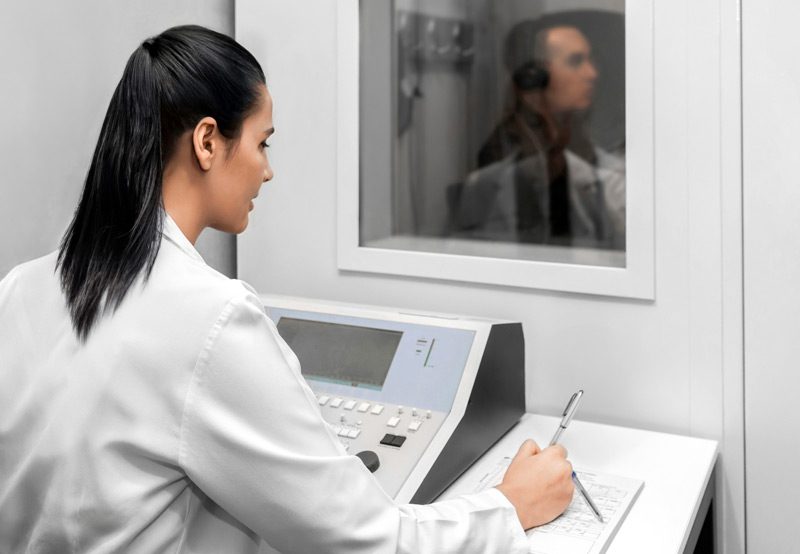
Patients diagnosed with an acoustic neuroma should consult a skull base or neurotologic surgeon with expertise in acoustic neuroma management. A comprehensive evaluation, including hearing tests and imaging, is essential for selecting the best treatment path. Surgical resection can provide long-term tumor control and symptom relief, especially when performed early in the tumor’s course.