Otosclerosis

Doctor-consulting-with-patient-at-desk
Doctor-explaining-ear-anatomy-with-model

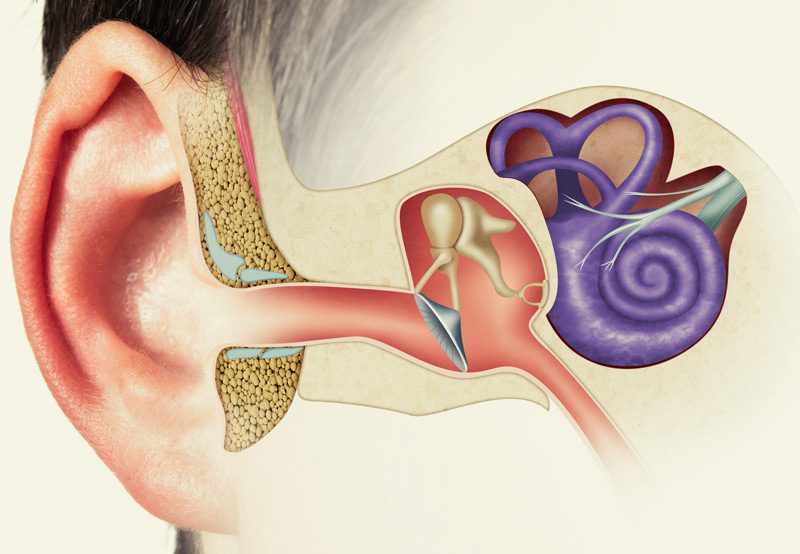
Otosclerosis is a condition that affects the bones of the middle ear, specifically the stapes bone, leading to progressive hearing loss. In this disorder, abnormal bone remodeling causes the stapes to become fixed in place, preventing it from vibrating normally in response to sound. As a result, sound waves cannot efficiently reach the inner ear, resulting in conductive hearing loss. In some cases, the disease may also affect the inner ear, causing mixed or sensorineural hearing loss.

Causes of Otosclerosis

The exact cause of otosclerosis is not fully understood, but several factors are believed to contribute to its development:

  • Genetic Predisposition: A family history of otosclerosis significantly increases the risk.
  • Hormonal Influence: The condition is more common in women and may worsen during pregnancy, suggesting a hormonal component.
  • Viral Infections: Past infections, such as measles, have been associated with triggering the disease in susceptible individuals.
  • Abnormal Bone Remodeling: The disease process involves abnormal replacement of normal bone with spongy, disorganized bone, especially around the stapes.
CONTACT US TODAY
Doctor-examining-patient’s-ear-with-otoscope

Symptoms of Otosclerosis

Otosclerosis typically develops slowly over time and may affect one or both ears. Common symptoms include:

  • Gradual hearing loss, often starting in one ear
  • Difficulty hearing low-pitched sounds or whispers
  • Tinnitus (ringing or buzzing in the ears)
  • Dizziness or balance issues (less common)
  • Improved hearing in noisy environments (known as the “paracusis of Willis”)

Diagnosis

Diagnosis is based on a combination of clinical evaluation and specialized hearing tests:

  • Audiogram: Identifies the type and degree of hearing loss. A characteristic finding is a conductive hearing loss pattern with a normal tympanic membrane.
  • Tympanometry: Evaluates middle ear function and stiffness of the ossicular chain.
  • CT Scan (if needed): Helps confirm the diagnosis and rule out other causes of hearing loss.

Treatment Options

Treatment is tailored to the severity of hearing loss and the patient’s overall health and lifestyle. Options include:

  • Observation: In early or mild cases with minimal hearing loss, regular monitoring may be appropriate.
  • Hearing Aids: Amplification devices can effectively manage conductive hearing loss for many patients.
  • Stapedectomy or Stapedotomy: A surgical procedure that replaces the immobilized stapes bone with a prosthetic device, restoring the transmission of sound waves to the inner ear.
  • Cochlear Implant (in rare cases): May be considered if otosclerosis progresses to profound sensorineural hearing loss and traditional hearing aids are no longer effective.

When to See a Specialist

If you experience gradual hearing loss, persistent ringing in your ears, or changes in how you perceive sound, a visit to an otolaryngologist (ENT specialist) is recommended. Early diagnosis of otosclerosis allows for a wider range of treatment options and may help preserve hearing function. Treatment decisions are best made in collaboration with an audiologist and ENT surgeon experienced in middle ear disorders.